
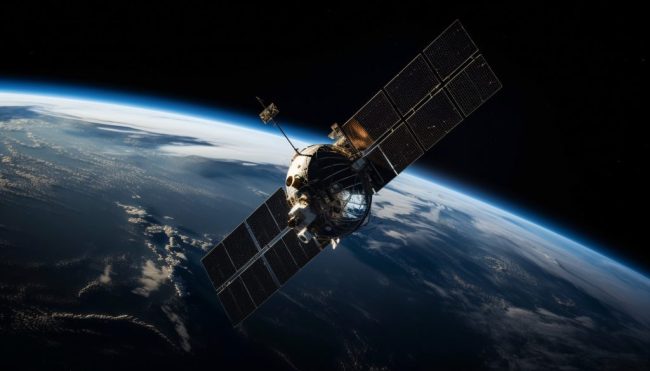
What Skills Are Needed for developing Aerospace Engineering in Armenia, Today?
For Armenia, aerospace engineering is more than a discipline, it is a way of securing a position in the global space community and enhancing our scientific heritage. As satellite development and space research expand, the skills we gain today will determine how Armenia contributes to future discoveries.
- Core Engineering Knowledge: Physics, mathematics, and materials science form the backbone of aerospace innovation. For engineers, this means mastering the principles that allow satellites to withstand harsh orbital conditions and designing systems that can be built with resources available locally.
- Software & Programming: From coding flight simulations to securing satellite communications, software skills are essential. Engineers must be fluent in programming, data analysis, and cybersecurity to ensure that satellites not only launch successfully but also operate safely in orbit.
- Systems Integration: Aerospace systems are never just mechanical or digital, they are both. The ability to integrate sensors, solar panels, communication modules, and propulsion systems into one cohesive design is what transforms a concept into a functioning system.
- Innovation & Research: Global aerospace leaders thrive on experimentation. Armenia’s engineers must embrace this mindset—testing new materials, exploring AI-driven control systems, and adapting technologies to local needs. Innovation is not optional; it is the engine of progress.
- Artificial Intelligence & Data Science: AI is rapidly becoming the nervous system of aerospace engineering. From predictive maintenance of satellites to autonomous navigation and real-time anomaly detection, AI enables smarter, faster, and safer missions. Armenian engineers must develop skills in machine learning, computer vision, and big data analytics to design satellites that can adapt to unexpected conditions and optimize their own performance. AI also strengthens cybersecurity, ensuring that communication networks remain resilient against global threats.
- Economic & Policy Literacy: Aerospace engineering goes beyond science to include sustainability and governance. Armenia needs specialists who understand space involvement risk management—covering financial planning, international regulations, and national space policy development—to ensure resilient missions, legal compliance, and a competitive, responsible role in the global space sector.
- Collaboration & Communication: No satellite is built in isolation. Success depends on collaboration between universities, laboratories, and industry partners. CIPR’s initiatives are designed to foster this teamwork, ensuring that Armenia’s engineers learn to communicate across disciplines and borders.
- Project Management & Governance: Aerospace projects are complex, multi-year endeavors involving diverse stakeholders. Skills in project governance—budgeting, risk assessment, milestone tracking, and quality assurance—are essential to keep missions on schedule and within scope. Strong governance also ensures transparency and accountability, building trust among partners and investors.
Why It Matters for Armenia
By developing these skills, Armenia positions itself as more than a participant in global aerospace, it becomes a contributor. Each student who learns to code a satellite’s guidance system, each researcher who experiments with new materials, and each team that collaborates across institutions is shaping Armenia’s role in the future of space technology.
At CIPR, we believe these skills must be nurtured through education, hands-on projects, and international collaboration. We invite Armenia’s students, educators, and innovators to join us in this mission. Together, we can ensure that Armenia’s engineers are not only prepared for today’s challenges but are ready to lead tomorrow’s discoveries.


 EN
EN  HY
HY